Fast, Reliable Attic Insulation Across Koreatown
Attic insulation in Koreatown usually costs between $1,400 and $3,800 for a typical 1970s low-rise apartment attic or older bungalow, depending on square footage, material choice, and whether we’re topping up existing insulation or starting fresh. Most jobs in the 90005 zip code take one day for a single unit and two to three days for a shared multi-unit attic that requires tenant coordination and fire-separation work. We’re based in Boyle Heights and get crews into Koreatown fast, usually within 24 to 48 hours of your call. If your top-floor unit bakes in summer or your energy bill keeps climbing, call (855) 382-3938 for a free estimate.
Koreatown isn’t a suburb, and treating it like one is how insulation jobs go wrong. Dense mid-rise blocks, shared attics, party walls, and tight alley access change everything about how we plan and execute the work. We know the buildings here. We’ve been in the attic hatches off Wilshire, 6th Street, and Olympic, and we understand what those 1960s and 1970s buildings actually need.
Why Heartland Insulation Co Is Koreatown’s Preferred Attic Insulation Company
Most insulation contractors in Los Angeles are generalists or they push one product because that’s what they know. We’re different. Heartland Insulation Co is a single-trade insulation contractor, which means every estimator and installer we send into Koreatown spends their entire working life thinking about building envelope science, R-values, and air sealing. Insulation is all we do, so we do it right.
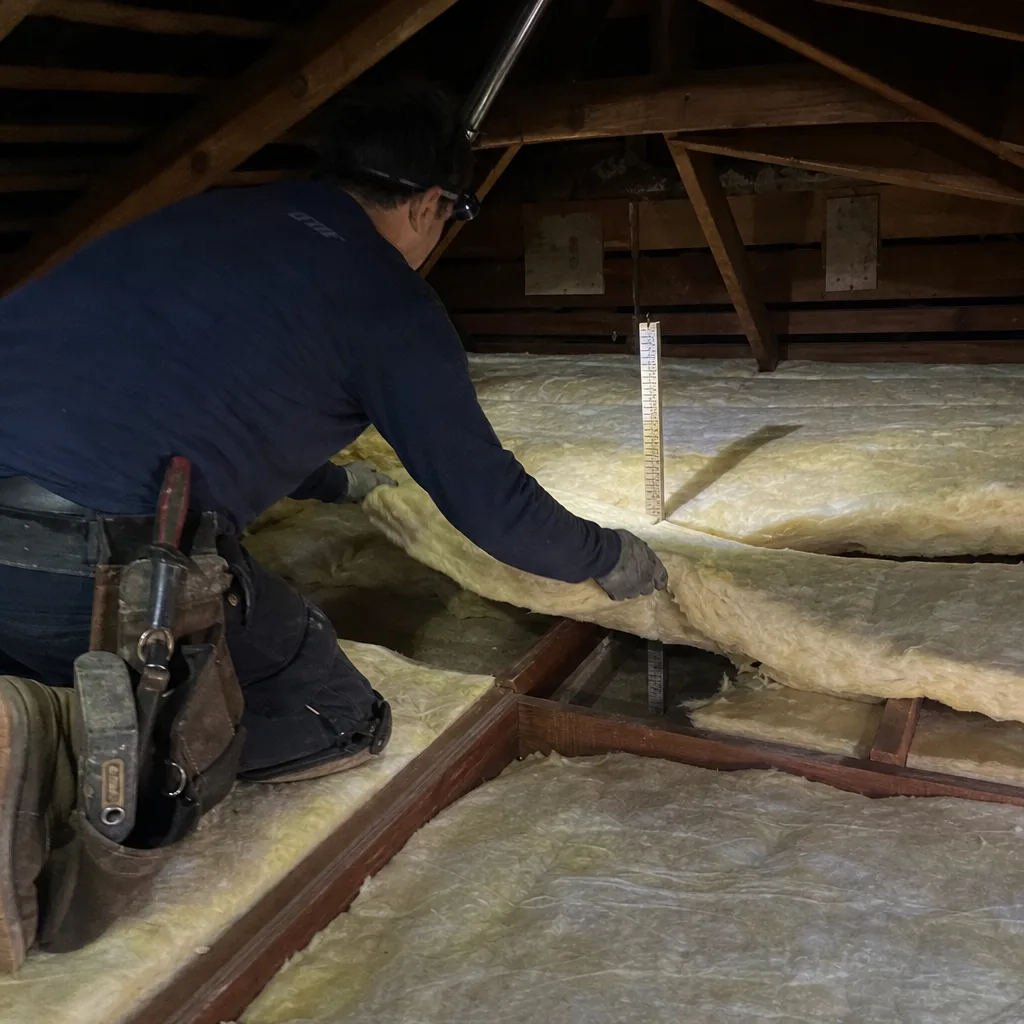
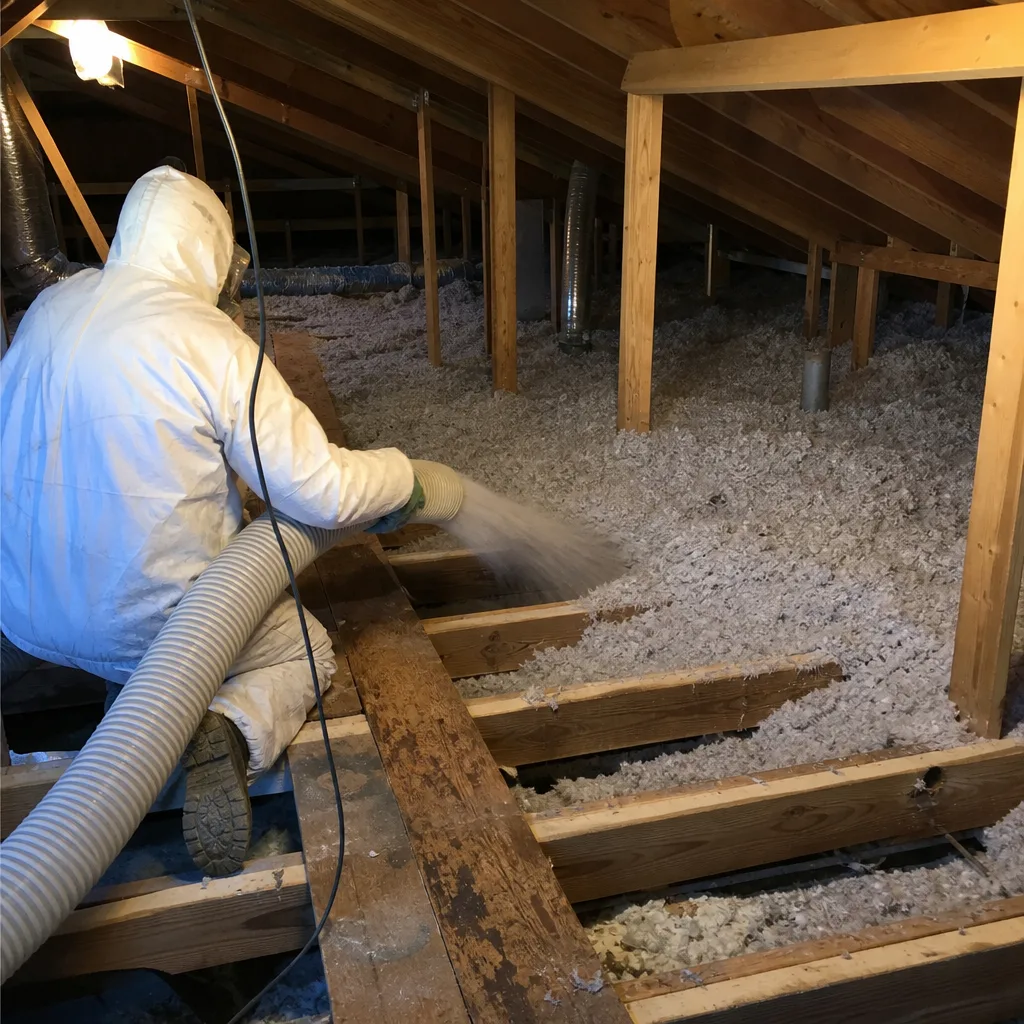
We carry eight major brands across three installation methods: attic insulation, spray foam, and blown-in. That matters in Koreatown because the right material for a 1920s bungalow on Normandie is not the same as the right material for a 1970s apartment block off 8th Street. A contractor with one product will sell you that product whether it fits or not. We spec the job before we sell the product. Ruben Montoya, who runs our estimating team, has walked hundreds of Los Angeles attics and can tell you within minutes whether you need Knauf batts, Rockwool mineral wool for fire resistance, or blown-in GreenFiber for a shared attic cavity.
Our crews understand Koreatown’s parking constraints, narrow alley access, and mid-rise buildings with no elevator. We show up prepared. We bring our own ladders, extension cords, and equipment that fits through residential doors and tight hallway turns. We’ve completed insulation retrofits in buildings where the attic hatch is 18 inches wide and the roof pitch is barely 2:12.
Attic Cleaning Services in Koreatown
Attic Cleaning Services in Koreatown are often the first step before any insulation work in older buildings, because decades of rodent activity, dust, and construction debris have to come out before new insulation goes in. In 90005, we routinely find rat droppings, old food wrappers from decades of tenants, and settled fiberglass that’s no longer doing anything. A professional attic cleaning in Koreatown typically runs $600 to $1,200 depending on attic size and contamination level, and most homeowners and property managers need it when they notice odors, see rodent signs, or realize the existing insulation is compacted and dirty.
Pre-Insulation Debris Removal
Before we install any new material, the attic needs to be clean. In Koreatown’s older apartment blocks and bungalows, that usually means vacuuming out settled fiberglass, removing old roofing debris, and sanitizing surfaces. We bring commercial HEPA vacuums and negative-air setups when contamination is heavy. It’s not glamorous work, but skipping it means trapping rodent waste and allergens under your new insulation for another 20 years.
Common Contaminants in Older Buildings
Koreatown’s housing stock skews 1920s to 1980s, and that means we see rat and mouse activity in shared wall cavities, raccoon entry through rotted fascia boards, and years of blown-in insulation that’s been trampled by whichever trades came through. Cleaning before insulting also exposes hidden problems: knob-and-tube wiring that needs an electrician, roof leaks that need patching, or framing damage that’s been hiding under debris. You’ll know exactly what you’re dealing with before new material goes down.
What happens when you call
- 1
A real person answersNo phone trees — you reach a local pro.
- 2
You get an upfront price rangeHonest numbers before anyone is dispatched.
- 3
A background-checked tech heads outLicensed & insured, dispatched right away.
- 4
You approve before work beginsNothing starts until you say go.
Attic Mold Removal in Koreatown
Attic Mold Removal in Koreatown gets called in most often on top-floor units in mid-rise buildings where bathroom exhaust fans vent directly into the attic instead of out the roof, which is a common detail in 1960s-80s construction. That trapped moisture condenses on the underside of the roof deck and feeds mold growth. Mold remediation in Koreatown attics typically runs $900 to $2,200 for a standard apartment attic or bungalow attic, depending on the square footage affected and whether roof sheathing needs treatment or replacement. If you’re seeing dark staining on ceiling drywall or smelling must in a top-floor unit, don’t wait.
Where Mold Hides in Party-Wall Attics
In Koreatown’s shared attics, mold often starts on one side of the party wall and spreads into adjacent units where tenants never look. We inspect the full cavity, not just the hatch opening. That means checking the underside of the roof sheathing, the top plates of party walls, and any dead air pockets where bathroom fans discharge. If one unit has mold, we tell the owner to check the neighboring units too, because the cavity is usually continuous.

Treatment Before New Insulation
Mold has to be killed and the moisture source fixed before insulation goes back in. We treat affected framing and sheathing, seal the vent stack or bathroom fan penetration that created the moisture in the first place, and only then install new insulation. In buildings where multiple units share attic space, we recommend documenting the treatment so future tenants and owners know the cavity was properly remediated. It protects your building and your liability.
Trusted Brands We Service in Koreatown
Heartland Insulation Co installs products from eight manufacturers, including Knauf, Rockwool, CertainTeed, and Icynene. We’re not married to any single brand, and we’ll tell you straight if a cheaper material does the job just as well, or if a specialty product like Rockwool mineral wool is worth the extra cost for fire-resistant party-wall detailing in a Koreatown multi-family building. Our relationships with eight brands mean we can usually get the exact product spec’d for your building within a few days, not weeks. And since we do this work in Koreatown regularly, we know which materials clear the tightest attic hatch openings and which blown-in densities work best in shallow roof cavities.
Common Attic Insulation Problems We See in Koreatown Homes
- Shared attics without fire-rated separation. In 1960s-80s apartment blocks, the attic cavity often runs continuously across multiple units. The top plates of party walls are rarely sealed, and blown insulation gets pushed right over them. That means smoke from a fire in one unit can travel through the attic into another unit in minutes. We air-seal and fire-block those top plates as part of every retrofit.
- Top-floor units that never cool down. Koreatown roofs are mostly flat or low-pitch, and most have no shade. In August, the roof deck can hit 140+ degrees, and the attic below becomes an oven that radiates into the top-floor unit all night. Adding blown-in insulation without addressing venting or adding a radiant barrier only partially fixes this.
- Shared attic hatches that leak conditioned air. When four units share one hatch, the hatch often doesn’t seal, and it’s usually not insulated. Conditioned air from every hallway below gets sucked into the attic. We replace shared hatches with insulated, gasketed units and often add a lock so only authorized access happens.
- Knob-and-tube wiring buried under new insulation. In Koreatown’s 1920s bungalows and duplexes, knob-and-tube wiring is still active in attics. Burying it under new insulation creates a fire hazard and violates code. We flag it immediately when we see it, and we won’t insulate over live knob-and-tube without it being addressed by a licensed electrician first.
Pricing for Attic Insulation in Koreatown, CA
On the low end, a top-up of blown-in insulation in a small Koreatown bungalow attic starts around $1,400. A full removal, air sealing, and new blown-in install runs $2,500 to $3,800 for a typical 90005 apartment attic or older single-family home. If the job includes mold remediation, add $900 to $2,200. If fire-separation work at party walls is required, which it is in many shared attics, budget an additional $400 to $900 per party-wall line. Attic cleaning alone runs $600 to $1,200. These are real numbers for this market. We don’t give vague ranges that turn into surprises later. We give you a written estimate before any work starts, and the number on that estimate is the number you pay. Call (855) 382-3938 to schedule a free assessment.
You can also read more about how we approach Attic Insulation across methods and materials.
We Also Serve Cities Near Koreatown
Our crews cover Koreatown and the surrounding Los Angeles neighborhoods, including Echo Park, Silver Lake, and Hollywood. If you own or manage property in Koreatown or the adjacent blocks of Koreatown, we can usually reach you same week. Call (855) 382-3938 and tell us your cross streets; we’ll give you a straight answer on scheduling.
Serving Koreatown, CA — Our Local Coverage Area
We’re based in the Koreatown area and know this community well. Use the map below to see our service coverage — if you’re nearby, we can almost certainly help.
FAQs About Attic Insulation in Koreatown
Yes, this is the core of our multi-family work in Koreatown. We coordinate with property owners and tenants to plan access, we seal party-wall top plates for fire separation, and we insulate the full shared cavity so every unit gets the same thermal benefit. Coordination takes longer than a single-family job, but we’ve done enough of these buildings in 90005 that we know how to schedule around tenants and keep the disruption minimal. Call (855) 382-3938 and ask for Ruben; he’ll walk you through what your building needs.
Because your attic is a heat sink. Koreatown’s flat and low-pitch roofs get hammered by direct sun, and without adequate insulation depth, venting, or a radiant barrier, the heat radiating from the roof deck overwhelms the small top-floor AC unit. We see this constantly in 1960s and 1970s apartment blocks. The fix is usually a combination of air sealing, proper insulation depth, and improving the vent path. Sometimes a radiant barrier makes sense. We’ll tell you exactly what your roof needs.
Yes. We treat mold on roof sheathing, trusses, and top plates, and we find the moisture source, which is usually a bathroom vent discharging into the attic or a roof leak. Mold removal starts around $900 and goes up based on square footage. We do not install new insulation over active mold or an unaddressed moisture problem. That would be throwing your money away.
We plan for it. Our crews arrive in vehicles sized for Koreatown’s narrow streets and alley routes. We bring equipment that fits through residential doors and tight hallways, and we handle parking permits when needed. If your building has alley access for a ladder truck or needs a rooftop load-in, we’ll coordinate that before the crew arrives so we’re not circling the block while the clock runs.
Yes, and this is one of the things that separates us from contractors who only do single-family homes. In party-wall buildings, the attic cavity is continuous across units unless someone seals and fire-blocks the top plates. We do that as part of the insulation job: air-sealing the party-wall line, installing fire-rated draft stops where required, and using materials like Rockwool that add fire resistance. It’s not an upsell. It’s how the building should have been built in the first place.
Written by Ruben Montoya, Owner at Heartland Insulation Co, serving Koreatown and greater Los Angeles.