Fast, Reliable Attic Insulation Across Echo Park
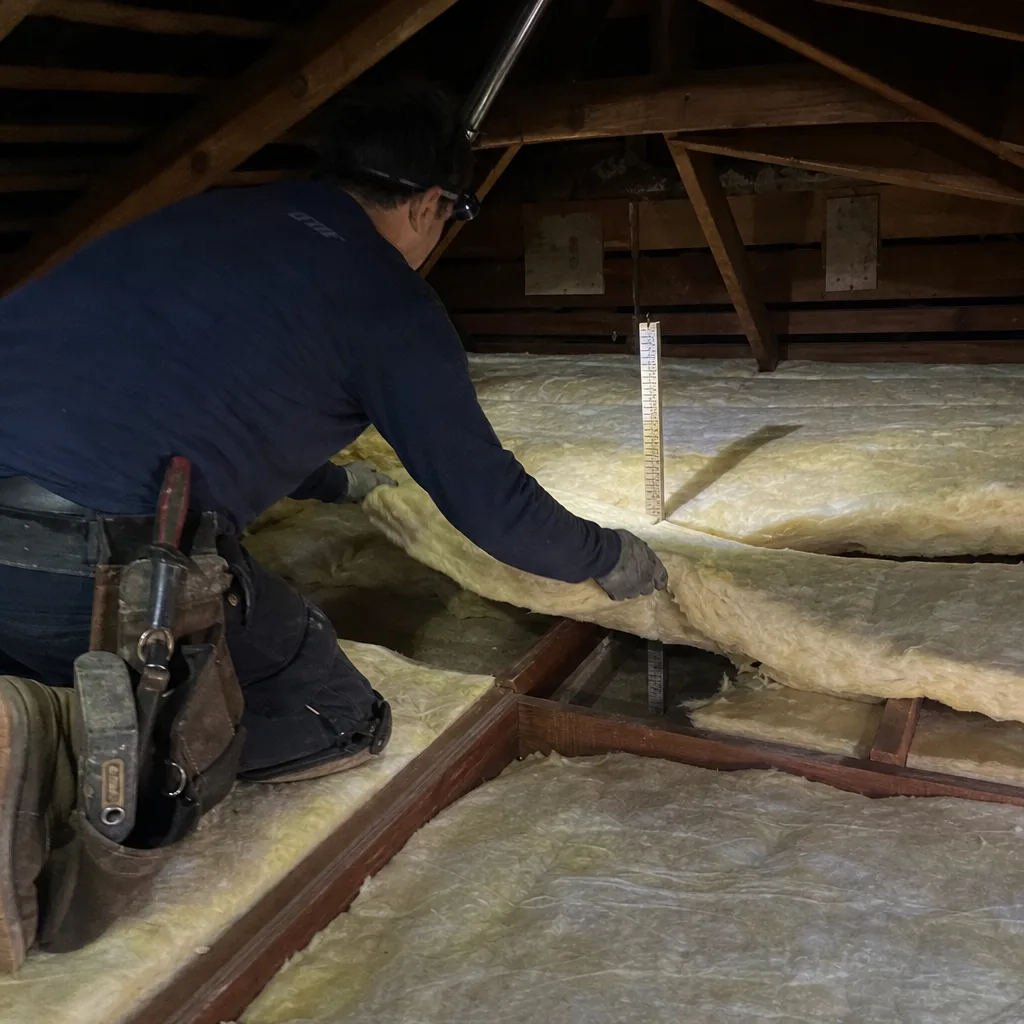
Most Echo Park homes were built before attic insulation was standard practice, which is why so many residents watch their top-floor rooms climb past 85°F every summer afternoon. If you live in a 1920s bungalow off Echo Park Avenue or a stucco apartment building near Sunset Boulevard, the fix usually isn’t a bigger window unit. It’s getting the attic cavity working correctly. Our crew knows these hillside lots, the low-pitch roofs, and the plaster walls that make Echo Park attics different from anywhere else in Los Angeles. We’re based in Boyle Heights, so we can typically reach most Echo Park addresses in under 30 minutes. Call (855) 382-3938 for a free estimate.
Why Heartland Insulation Co Is Echo Park’s Preferred Attic Insulation Company
We spec the job before we sell the product. That’s not a slogan, it’s how we work here. Echo Park’s housing stock varies wildly from block to block: a 1924 wood-frame bungalow on Lemoyne Street needs a different approach than a 1968 stucco four-plex up by Elysian Park Drive. Our estimators are insulation-only specialists, so when we walk an attic we’re looking at venting, wiring, roof deck condition, and solar exposure, not just square footage.
Ruben Montoya leads our team, and he’s spent years crawling through the tight attic cavities and low-clearance crawlspaces common to Echo Park’s pre-war housing. That local familiarity means we arrive knowing what to expect on a hillside lot or in a converted duplex near Echo Park Lake. We carry eight manufacturer lines, including Johns Manville, Knauf, Rockwool, CertainTeed, Icynene, Demilec, Owens Corning, and GreenFiber. That matters because a 1920s bungalow with irregular joist spacing shouldn’t be forced into whatever product happens to be on the truck. The right material for your home’s build, nothing else.
Radiant Barrier in Echo Park
Radiant barrier is one of the highest-impact upgrades we install in Echo Park attics, because this neighborhood’s summer heat problem is driven by solar gain, not cold winter air. A radiant barrier is a reflective foil layer installed under the roof deck that bounces radiant heat back out before it can soak into your insulation and radiate down into living space. In a city where August afternoons regularly hit 90°F and many attics have no ridge venting, this single layer can drop attic temperatures by 20 to 30 degrees. Radiant barrier installation in Echo Park typically runs $1.50 – $2.75 per square foot depending on roof pitch and attic accessibility.
How Radiant Barrier Works in Low-Pitch Bungalows
Many Echo Park bungalows have attic cavities with only 18 to 24 inches of clearance at the peak. Traditional attic insulation alone struggles in these spaces because there’s nowhere for heat to escape. We install the barrier directly against the roof deck underside, stapled to the rafters. In homes without soffit vents, we’ll often pair it with baffle installation so whatever airflow exists actually moves.
When Radiant Barrier Makes Sense Here
If you run a window unit in an upstairs bedroom on a 95°F day and it never catches up, there’s a good chance your attic is acting as a heat pump pointed down at you. Homes on west-facing hillsides near Elysian Park get hammered by afternoon sun. Radiant barrier reduces that heat load before it ever reaches your ceiling.
Attic Cleaning Services in Echo Park
Attic cleaning services in Echo Park are almost always the first step before new insulation goes in. These older homes accumulate decades of dust, rodent droppings, old fiberglass batts that have compressed to nothing, and sometimes construction debris from remodels done in the 1970s. You cannot blow cellulose or install batts over that mess and expect it to perform. We remove all old material, vacuum the attic cavity down to the deck, sanitize surfaces, and inspect the wiring before anything new goes in. Attic cleaning in Echo Park typically runs $800 – $1,600 depending on attic size and the condition of what’s up there.
What Attic Cleaning Covers on Echo Park’s Older Homes
In a 1940s bungalow near Angelino Heights, we’re usually pulling out original rock wool that’s turned gray and settled to half its original depth. In a 1960s apartment conversion, it’s more often vermiculite or fiberglass batts that got trampled flat during decades of roof work. We also remove pest nests and droppings, which are common in attics where old gable vents were never screened properly.
Cleaning Before Blow-In or Batts
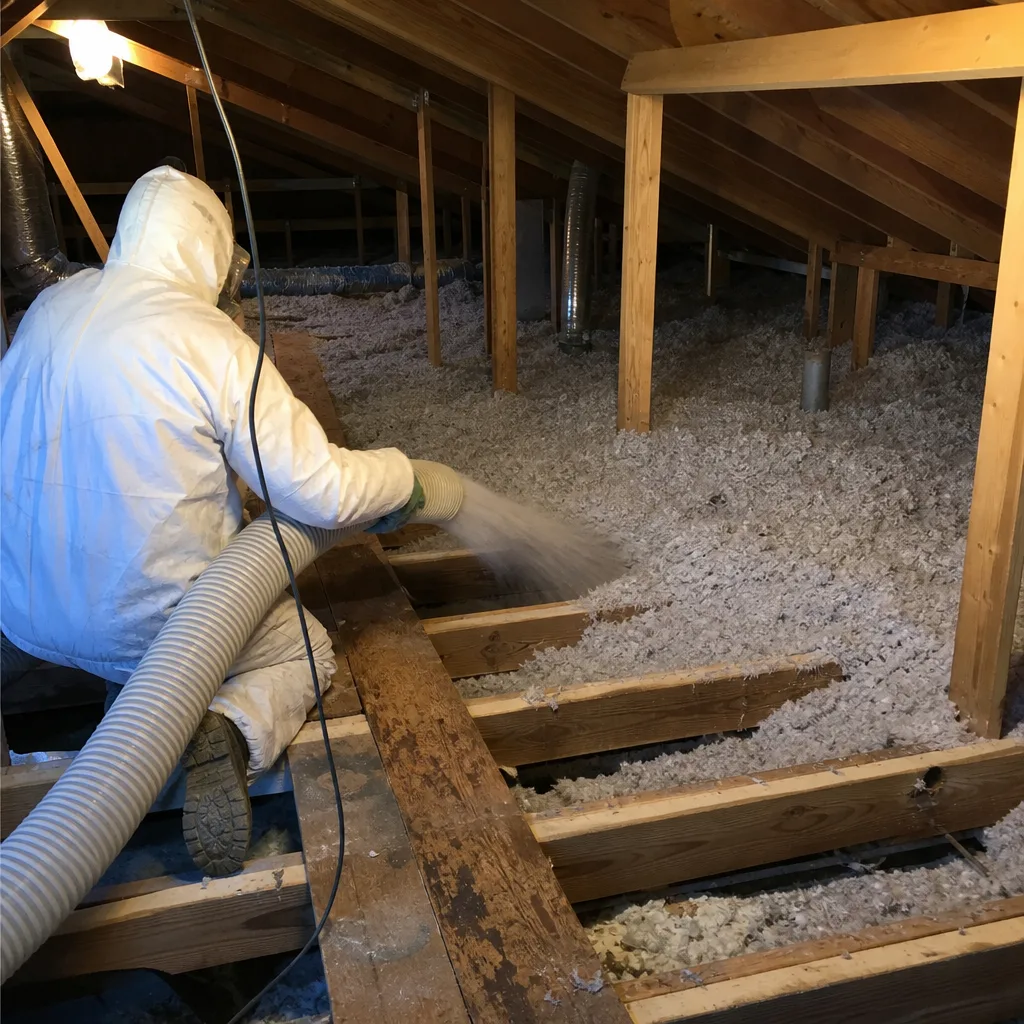
New insulation is only as good as the cavity it’s installed in. If we blow GreenFiber cellulose into an attic that hasn’t been cleaned, the old dust and debris wick moisture and reduce the material’s loft. Cleaning first also lets us spot knob-and-tube wiring, which is still present in a surprising number of Echo Park homes and needs to be addressed before insulation covers it.

What happens when you call
- 1
A real person answersNo phone trees — you reach a local pro.
- 2
You get an upfront price rangeHonest numbers before anyone is dispatched.
- 3
A background-checked tech heads outLicensed & insured, dispatched right away.
- 4
You approve before work beginsNothing starts until you say go.
Trusted Brands We Service in Echo Park
We’re authorized to install products from eight manufacturers, but for Echo Park homes we find ourselves reaching for Rockwool, GreenFiber, and Johns Manville more often than the rest. Rockwool’s mineral wool batts make sense in 1960s stucco apartment buildings where fire separation matters. GreenFiber cellulose handles the irregular, settling-prone attic cavities of pre-war bungalows better than any batt. We stock common materials locally, so an Echo Park job doesn’t stall waiting on a warehouse order. Eight brands, one goal: no heat lost through the attic.
Common Attic Insulation Problems We See in Echo Park Homes
- Unvented low-pitch attics that cook top-floor rooms. Original roof decks on 1920s bungalows often lack ridge and soffit venting entirely, so heat builds up with no escape path. Adding insulation alone can make it worse by trapping heat below the deck, which is why ventilation details get specified before R-value on these jobs.
- Knob-and-tube wiring buried under old insulation. A lot of homes in Elysian Heights and Angelino Heights still have active knob-and-tube circuits. Insulating without addressing the wiring means wrapping a heat-producing conductor in flammable material. We inspect every attic and flag this before any material is installed.
- Uneven blow-in settling in irregular plaster-and-lath cavities. Walls in these old bungalows were framed by hand, which means stud bays aren’t a consistent 16 inches on center. That leads to void spaces when cellulose is blown in, leaving vertical channels where solar heat pipes right through. We use dense-pack techniques for these wall cavities.
- Compressed legacy batts that stopped working decades ago. Original fiberglass or rock wool from the 1940s and 1950s is often found flattened to two inches or less, which gives you maybe R-8. The homeowner doesn’t know because the attic is hot, dusty, and impossible to inspect without crawling. We’ve seen this in nearly every pre-1960 Echo Park home we’ve cleaned.
Pricing for Attic Insulation in Echo Park, CA
A full attic insulation job in Echo Park, including cleaning, air sealing, baffles, and new material, typically runs $3,200 – $6,800 depending on attic square footage and what’s already up there. Blown-in GreenFiber cellulose to R-38 in a standard 1,000-square-foot bungalow attic usually falls in the $2,400 – $3,800 range. Attic batt insulation with Rockwool or Johns Manville typically runs $2.00 – $3.25 per square foot installed. A radiant barrier add-on runs $1.50 – $2.75 per square foot. Attic insulation top-up for homes with partial existing material starts around $1,200. Attic insulation replacement, which includes full removal of old material, runs $4,500 – $7,500 for most Echo Park attics. We’re happy to talk through what makes sense for your roof, your wiring, and your budget. Call (855) 382-3938 and Ruben will walk the attic with you before quoting.
We Also Serve Cities Near Echo Park
Our crews work throughout the neighborhoods around Echo Park. If you’re in Silver Lake or Los Angeles proper, we can schedule a visit just as quickly as we would for a job on Sunset. We’re also regularly in Koreatown and Hollywood, running the same insulation-focused assessment process in apartment buildings, bungalows, and everything between. If you want to see how we approach the broader service, read about our Attic Insulation work in detail.
Serving Echo Park, CA — Our Local Coverage Area
We’re based in the Echo Park area and know this community well. Use the map below to see our service coverage — if you’re nearby, we can almost certainly help.
FAQs About Attic Insulation in Echo Park
Yes, we use a dense-pack cellulose technique specifically for plaster-and-lath walls like the ones found throughout Echo Park’s 1920s bungalows. Dense-pack compacts the insulation to a higher density than standard blow-in, which prevents settling in irregular stud bays and reduces the risk of blowout through cracked plaster. We drill small access holes into each stud bay from either the interior or exterior, which we patch afterward. Call (855) 382-3938 if you want us to check your wall cavities before quoting.
The most common reason in Echo Park is an unvented or under-vented attic. If your roof has no ridge vent and the soffits are sealed or painted shut, heat trapped under the roof deck radiates down through the insulation rather than escaping. Insulation slows heat transfer, but it can’t stop it when the attic is 140°F. The fix is usually a radiant barrier and baffles installed to channel airflow from soffit to ridge, then a final insulation top-up. We found exactly this condition on a 1920s bungalow in Elysian Heights where the upstairs bedroom held at 78°F on a 95°F afternoon after we made those changes.
Attic cleaning in Echo Park covers full removal of old insulation material, vacuuming the attic down to the deck, sanitizing the surfaces, and inspecting wiring and framing before new material goes in. In older homes this step is critical because decades of dust, pest debris, and compressed batts reduce the performance of anything installed on top. Most Echo Park cleanings take one to two days depending on attic size. We price this separately from the insulation install so you know exactly what you’re paying for.
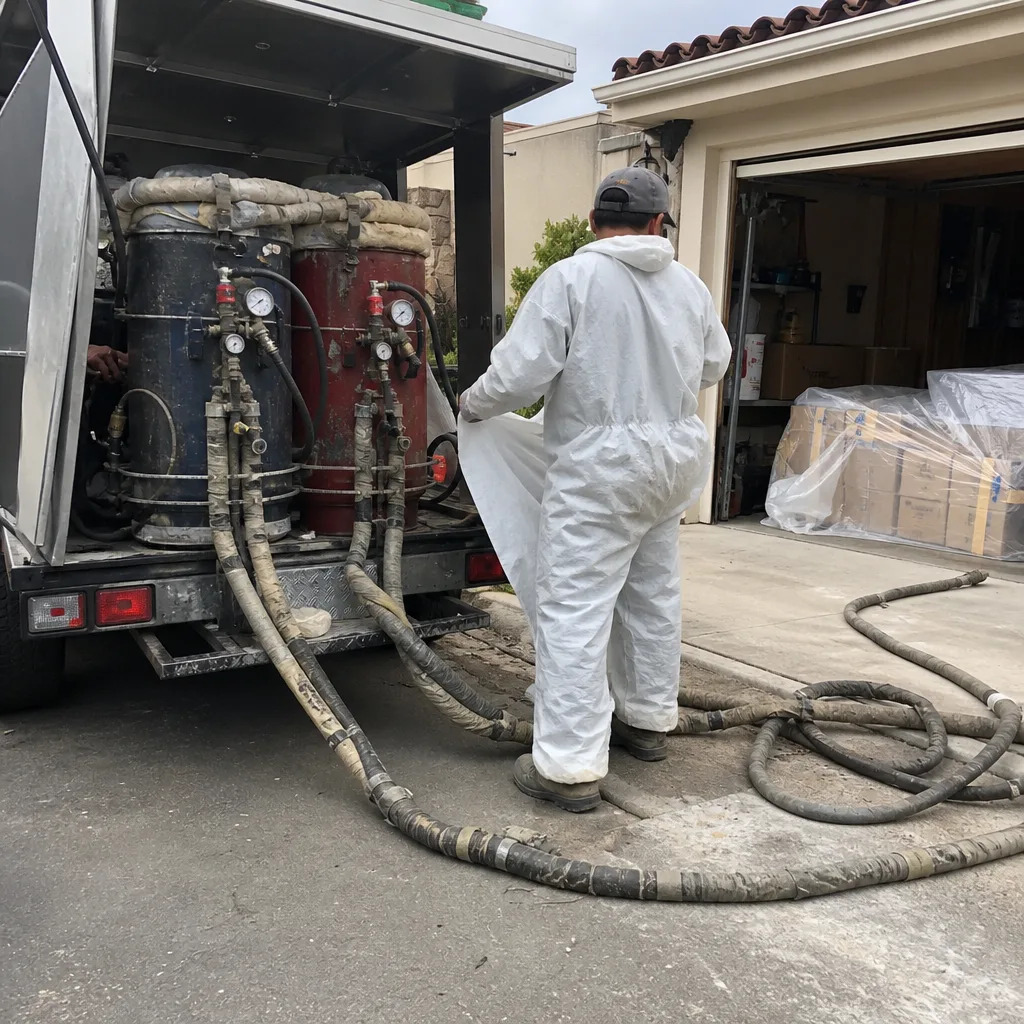
Yes, we insulate attics and walls in 1960s and 1970s stucco apartment buildings throughout Echo Park, including over by Echo Park Avenue and around the Elysian Park edge. These buildings typically have flat or low-slope roofs with minimal attic cavity, which makes rigid board or closed-cell spray foam a better fit than blow-in fiberglass. For multifamily jobs we focus on fire-rated assemblies, which is why Rockwool mineral wool shows up a lot in our specs.
A radiant barrier reflects solar heat back out of the attic before it ever hits your insulation. That is exactly what Echo Park homes need because the dominant thermal problem here is heat gain, not heat loss. Installed under the roof deck, the foil layer reduces attic temperatures by 20 to 30 degrees in direct sun, which means your ceiling isn’t radiating that stored heat down into your living space. For hillside homes with unshaded roofs, it’s often the single highest-return attic upgrade available.
Written by Ruben Montoya, Owner at Heartland Insulation Co, serving Echo Park and surrounding Los Angeles neighborhoods with insulation-only expertise.